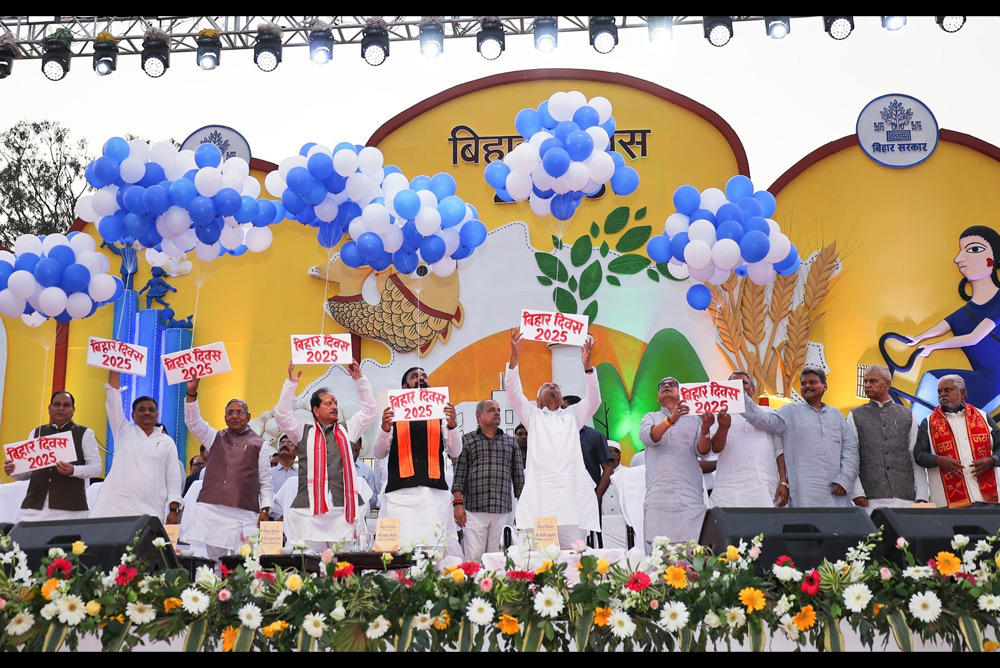
In Bihar, the interplay between art, tradition, and politics goes beyond aesthetics or heritage—it’s a living force driving social change and political engagement. From grassroots activism fueled by cultural expressions to the emergence of dynamic youth-led movements, Bihar’s evolving landscape showcases the power of community-driven transformation.
Art Movements: The Pulse of Grassroots Activism
Local art forms such as Mithila paintings, street theatre, folk music, and public murals are not just cultural treasures—they are platforms for expressing dissent, raising awareness, and mobilizing communities. Grassroots movements have embraced these traditional forms of communication to address issues like caste discrimination, women’s rights, environmental concerns, and political corruption. These art forms help bypass literacy barriers, making political messages accessible and resonant for rural populations.
Festivals as Platforms for Political Engagement
Traditional festivals such as Chhath Puja, Holi, and Makar Sankranti do more than foster community spirit—they have become arenas for political dialogue and grassroots engagement. Leaders often leverage these occasions to connect with the masses, while citizens use these gatherings to voice their concerns and seek accountability. The intersection of religion, culture, and politics in Bihar reflects a unique socio-political dynamic where the community’s voice echoes through festive celebrations.
Youth Movements: The Energy of Change
Bihar’s youth are emerging as powerful agents of political change. Leveraging social media, digital platforms, and on-ground activism, they are challenging traditional political hierarchies and pushing for transparency, inclusivity, and progressive policies. Movements led by students and young professionals are increasingly focusing on employment, education, and governance reforms, driving a wave of fresh ideas into Bihar’s political discourse.

